Serving Hoover, AL and surrounding areas. (205) 407-1623
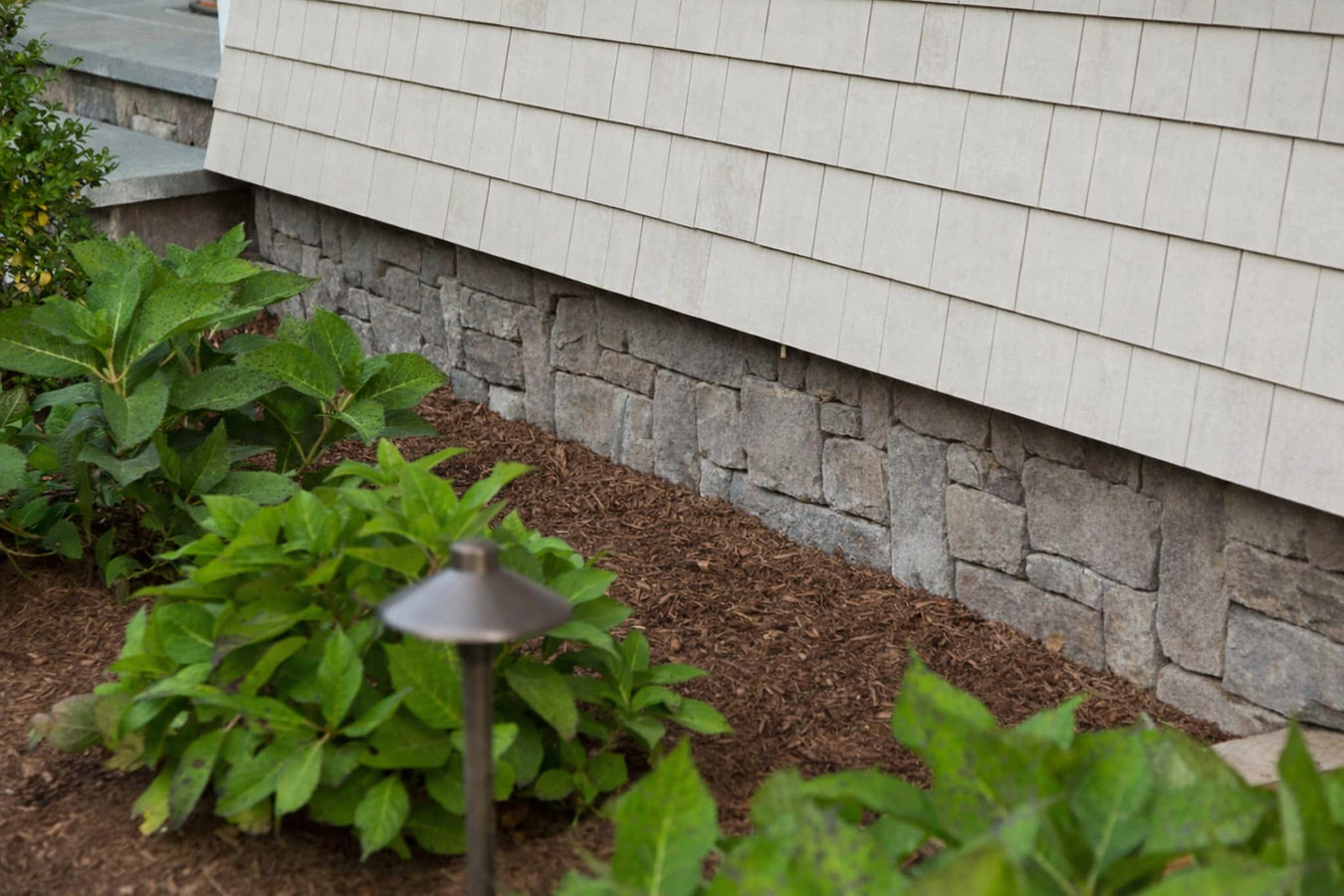
Your home can look like it was custom-built with natural stone. We handle the moisture barrier, substrate prep, and HOA paperwork so you do not have to.
Your home can look like it was custom-built with natural stone. We handle the moisture barrier, substrate prep, and HOA paperwork so you do not have to.
Stone veneer installation in Hoover means attaching a layer of real or manufactured stone to an existing wall surface - covering the wall with a moisture barrier and metal mesh first, then setting each stone piece by hand and finishing the joints. Most accent projects such as a front entry, a porch column, or a fireplace surround take one to three days. A full front facade on a mid-size Hoover home typically runs one to two weeks depending on wall prep and weather.
If your home has plain brick, dated siding, or a builder-grade exterior that no longer reflects what the house is worth, stone veneer is one of the most effective upgrades you can make. Many Hoover homeowners pair this work with concrete block walls when adding a garden feature or property boundary at the same time.
One thing that makes Hoover projects distinct: a significant share of homes built here in the 1990s have synthetic stucco or fiber cement siding, and those surfaces require extra preparation before stone can be applied. A thorough on-site assessment before any work begins keeps the estimate accurate and avoids surprises.
If nearby homes have been updated with stone accents while yours still has plain brick or siding from the 1990s, that visual gap is real and buyers notice it. In Hoover's active resale market, curb appeal differences between similar homes affect both sale price and time on market. Stone veneer is one of the most cost-effective ways to modernize a facade without a full exterior renovation.
Brick on Hoover homes built in the 1980s and early 1990s is now 30 to 40 years old and commonly shows cracks, chipped pieces, or dark water stains running from mortar joints. Stone veneer installed over a properly prepared surface gives you a fresh exterior without the cost of full brick replacement. A mason can assess whether the underlying wall is sound enough to support veneer.
A plain concrete block fireplace surround, a bare porch column, or a builder-grade entry wall can make an otherwise well-kept home feel incomplete. Stone veneer is frequently used for exactly these partial applications, and even a small project can change how a room or entryway reads. If you find yourself avoiding photos of that area, it is worth getting an estimate.
White chalky residue on a masonry wall means water is moving through the surface and depositing minerals as it evaporates. This must be diagnosed and fixed before any veneer goes on - but once resolved, stone veneer with a proper moisture barrier can help protect the wall going forward. In Hoover's humid climate, ignoring efflorescence tends to make the problem worse.
We install both natural quarried stone and manufactured stone veneer on residential properties throughout Hoover. Natural stone gives you one-of-a-kind character - every piece is unique - while manufactured stone offers more consistent coloring and a lower installed price point. Both go through the same preparation process: moisture barrier, metal mesh, and a full assessment of the existing wall surface before the first stone is cut. If your wall needs a new substrate layer because of synthetic stucco or other surface conditions, we include that in the scope rather than quoting it as a surprise add-on.
Partial applications - a single exterior wall, a chimney face, entry columns, or a fireplace surround - are just as common in our work as full-facade projects, and they are often the smarter investment for homeowners who want a strong curb appeal return without committing to a full-house project. For clients who want a cohesive exterior, we also offer stone masonry for steps, pillars, and outdoor features that complement a stone veneer facade.
Best for homeowners who want a truly unique look with the weight and texture of quarried stone.
A cost-effective option for homeowners who want consistent color and profile across a larger surface area.
Ideal for updating a specific feature - an entry wall, a porch column, or a fireplace surround - without a full exterior project.
For homeowners ready to transform the entire front of the home for maximum curb appeal and resale impact.
Hoover sits in a humid subtropical climate, and the combination of hot summers, frequent afternoon thunderstorms, and wet winters creates real challenges for exterior masonry. Mortar and adhesives used in stone veneer work need stable temperatures and dry conditions to cure correctly - this is why experienced local masons plan larger exterior projects for spring or fall, and why the moisture barrier step is non-negotiable. On top of that, Hoover's clay-heavy soils expand when wet and contract when dry. That movement can transfer stress to exterior walls, so any existing cracks need to be addressed before new stone goes on. Homeowners in Vestavia Hills and further south near Pelham face the same soil and climate conditions, and we apply the same preparation discipline to every project across the area.
Hoover also has one of the highest concentrations of HOA-governed neighborhoods in the metro area. Communities like Greystone, Ross Bridge, and Trace Crossings all require written architectural review approval before exterior work begins. We know how to prepare those submissions and will not schedule a day of work until written approval is in hand. Jefferson County building permits are also required for most full exterior veneer projects, and we handle that permit application as a standard part of the job.
We respond within one business day. Bringing photos of stone styles you like helps us give a more accurate estimate before the site visit.
We measure the area, inspect your existing wall surface, and check for moisture issues or surfaces that need extra preparation. You receive a written estimate based on what is actually on your wall, not just the square footage.
If your project requires a Jefferson County permit or HOA architectural review, this happens before any work starts. We handle the permit application; you submit HOA paperwork with our design details. Plan for a few days to a few weeks depending on your HOA.
We clean the surface, apply the moisture barrier and mesh, then set each stone piece by hand. After grouting and cleanup, we walk the finished wall with you before leaving so any concerns can be addressed on the spot.
Free estimate, no obligation. We assess your wall honestly and tell you exactly what the project involves before you commit to anything.
(205) 407-1623Alabama's humidity is the number-one reason stone veneer fails early. We include a proper moisture-resistant barrier on every installation - skipping it is a shortcut that shows up within years. You will not be dealing with crumbling stone or water stains because we cut a corner on prep. Industry standards from the Masonry Veneer Manufacturers Association confirm this step is mandatory for durable performance.
We know Hoover's planned communities and their architectural review requirements. We prepare the submission materials and will not schedule a day of work until written approval is in hand - protecting you from the cost and frustration of a mandatory removal after the fact.
Homes in Hoover vary - some have brick, some have synthetic stucco, some have fiber cement. Each surface requires different preparation. We look at what is actually on your wall before giving you a number, so the estimate is accurate and there are no surprises when the invoice arrives.
We pull the Jefferson County permit as a normal part of every qualifying project. Permitted work gets inspected by a third party, which confirms the installation meets local standards and protects your home's record at resale. If a contractor tells you permits are not needed for a full exterior re-clad, that is worth questioning.
Every one of these commitments comes back to the same idea: good stone veneer work is mostly preparation. The stone itself is the last step. We focus on the steps most homeowners never see, because that is what determines whether the work still looks right in year ten.
Add a structural block wall for a garden border, retaining feature, or privacy barrier that pairs naturally with a stone veneer exterior.
Learn MoreFull structural stone masonry for steps, pillars, and outdoor features that complement a stone veneer facade.
Learn MoreSpring booking slots fill fast. Reach out now and lock in your project before summer heat makes scheduling unpredictable.