Serving Hoover, AL and surrounding areas. (205) 407-1623
Hoover Concrete & Masonry serves Alabaster, AL with foundation repair, brick veneer maintenance, and retaining wall construction - backed by crews who understand Shelby County clay soil and the subdivision housing stock that makes up most of this city.
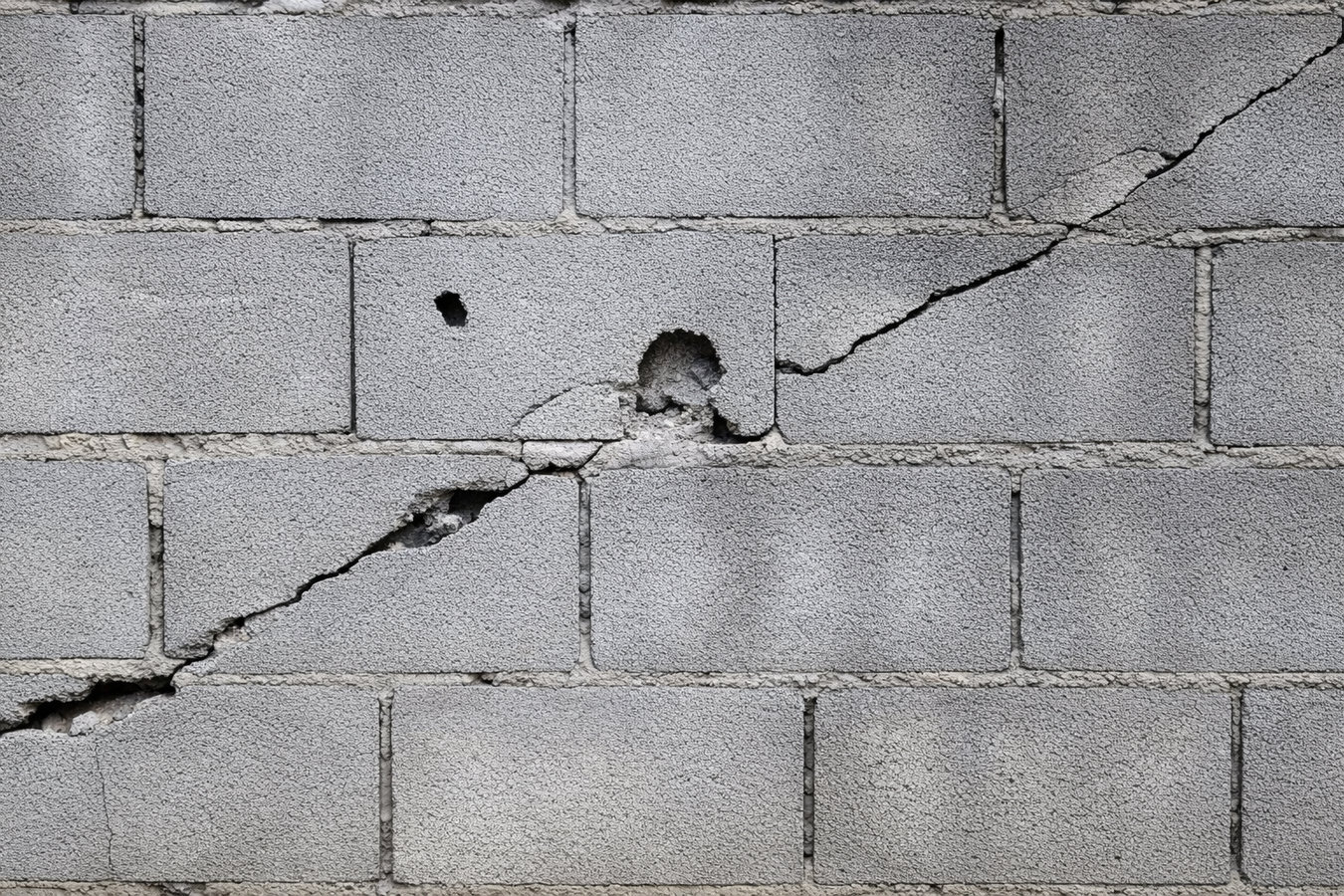
Alabaster sits on expansive Shelby County clay soil that moves with every wet and dry season. Foundation repair addresses the cracks, settling, and displacement that clay movement causes in block foundations and concrete slabs before the damage spreads to interior walls and floors.
Brick veneer is the dominant exterior material on Alabaster subdivision homes, and the mortar in veneer panels needs repointing as it ages and loses its seal. Neglected joints allow moisture to work behind the veneer, which leads to more costly repairs when the drainage cavity fills with debris and water.
Many Alabaster subdivisions back up to wooded hillsides with significant grade changes. Retaining walls hold that terrain in place and route drainage away from your foundation - a critical function given the clay soil movement common throughout Shelby County.
Alabaster's clay-heavy soil shifts with every wet season and dry spell, and concrete driveways from the 1980s and 1990s are now cracking and heaving across many neighborhoods. Paver driveways flex with ground movement and can be repaired section-by-section rather than replaced in full.
Homes built in Alabaster during the suburban growth era of the 1980s and 1990s are now 25 to 45 years old - old enough that original mortar joints on brick veneer panels are showing wear. Tuckpointing replaces deteriorated joints and restores the water-resistant seal before moisture causes structural problems.
Concrete walkways in Alabaster's wooded subdivisions often heave and crack from tree root pressure and clay soil movement. A properly installed masonry walkway on a stable base outlasts standard poured concrete and can be matched to your home's brick or stone exterior for a consistent look.
Alabaster has grown fast - its population roughly doubled between 2000 and today - and most of that growth happened through subdivision construction on Shelby County clay soil. Clay soil is the key variable that drives masonry demand in this city. It expands significantly when saturated and contracts when dry, and that movement never stops. Driveways crack. Concrete walkways heave. Block foundations shift. Brick veneer panels develop open mortar joints at corners and around windows as the wall framing below them moves. Homes built in the 1980s and 1990s are now old enough that this cumulative movement is showing up as visible problems throughout many neighborhoods.
Alabaster also sits in central Alabama's severe weather corridor. Spring and summer bring heavy thunderstorms with hail and high winds that can damage brick and mortar on exposed exterior walls. Winter freeze-thaw cycles - while mild by northern standards - open up small cracks in concrete and mortar that become larger problems over successive seasons if they are not addressed. Wooded lots, which are common in Alabaster's subdivisions off Highway 119 and Highway 31, add debris loading to gutters and drainage paths, concentrating runoff near foundations during heavy rain events.
Our crew works throughout Alabaster regularly, and we understand the local conditions that affect masonry work here. When permitted work is required, we work with the City of Alabaster on permit applications for structural masonry, foundation repair, and retaining wall construction. We handle the permit process as part of the job so homeowners do not need to navigate it themselves.
Most of Alabaster's residential neighborhoods branch off U.S. Highway 31 and Highway 119, and we travel those corridors regularly to reach job sites throughout the city. Neighborhoods near Veterans Park tend to have slightly older homes than the newer subdivisions on the city's eastern and western edges, and the masonry needs differ accordingly - older areas see more mortar deterioration and concrete cracking, while newer areas often have brick veneer maintenance needs. We also serve homeowners in nearby Calera to the south, which shares Alabaster's clay soil conditions and subdivision housing types.
Shelby County's high homeownership rate means most of our Alabaster customers are long-term residents who want repairs that hold up, not short-term patches. We size every job to address the root cause - usually soil movement or drainage - not just the visible symptom.
Contact us by phone or through our online estimate form. We respond to all Alabaster inquiries within one business day and work to schedule site visits within the same week when possible.
We come to your property, look at the problem in person, and provide a written estimate before any commitment. There is no charge for the estimate, and no obligation to move forward.
We handle the job from setup through final cleanup. For work requiring a City of Alabaster permit, we apply for it and schedule the required inspections. You do not need to be present during most work.
At completion, we walk the finished work with you and answer any questions. We stand behind what we build and remain reachable after the job closes if any follow-up is needed.
We serve all of Alabaster, AL - from subdivisions near Veterans Park to neighborhoods along Highway 119. Call us or fill out the form and we will respond within one business day.
(205) 407-1623Alabaster is a city of over 34,000 people in Shelby County, about 20 miles south of downtown Birmingham along U.S. Highway 31. It is one of the faster-growing cities in Alabama, having roughly doubled in population since 2000 as families moved south from Birmingham seeking Shelby County Schools and quieter residential neighborhoods. Thompson High School - one of the largest high schools in the state and known statewide for its football program - is a community anchor that draws long-term residents and generates strong school-district loyalty throughout the city. Most shopping and services run along the Highway 31 and Thompson Road corridor, with residential neighborhoods branching off into wooded hillside subdivisions and cul-de-sac streets on either side.
The housing stock is predominantly single-family residential with brick veneer exteriors, built across several waves of suburban growth from the 1970s through the 2000s. Older in-town areas near the original downtown on Highway 31 have smaller homes on larger lots, while newer subdivisions farther from the highway have closer lot spacing and more uniform construction. The combination of clay-heavy Shelby County soil, wooded lots that drop debris into drainage paths, and homes now reaching 20 to 45 years of age creates steady demand for masonry maintenance and repair throughout the city. We also serve homeowners in neighboring Pelham to the north, where similar soil and housing conditions generate the same types of masonry work.
Restore structural integrity with expert foundation crack and settlement repair.
Learn MoreControl erosion and grade changes with solid retaining wall construction.
Learn MoreRevive aging masonry structures to their original strength and appearance.
Learn MoreAdd a custom brick or stone fireplace that becomes your home's centerpiece.
Learn MoreUpgrade any surface with natural or manufactured stone veneer accents.
Learn MoreInstall solid block foundation walls engineered for load and longevity.
Learn MoreCreate a custom outdoor kitchen with built-in masonry that entertains for years.
Learn MoreDesign and build attractive, slip-resistant walkways in brick, stone, or pavers.
Learn MoreConstruct handsome brick walls for privacy, enclosure, or landscaping.
Learn MoreRepoint deteriorating mortar to protect your brickwork from moisture damage.
Learn MoreSpring and summer storm season is the hardest time to find a contractor in Shelby County - reach out now and we will get to your property before the next round of rain does more damage.