Serving Hoover, AL and surrounding areas. (205) 407-1623
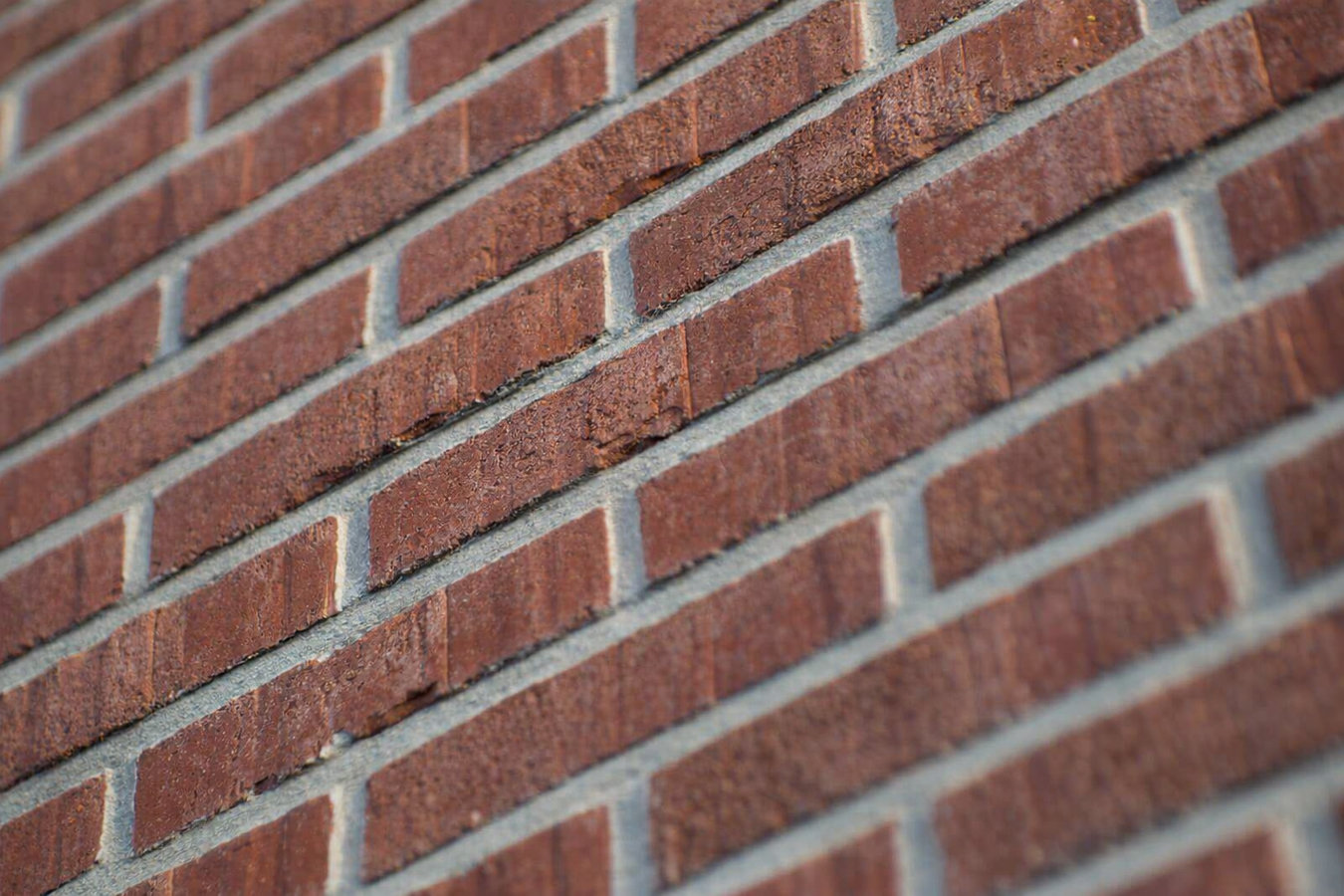
Crumbling mortar lets water into your walls, and Hoover winters make it worse every year. We restore your brick joints properly - old mortar removed, color matched, new mortar packed - so your home stays dry and the bricks stay solid.
Brick pointing in Hoover means removing deteriorated mortar from between your bricks and replacing it with fresh material - restoring the seal that keeps water out of your walls. Most residential chimney and wall jobs take one to three days, while full exterior repointing on a large home runs three to five days.
Most homeowners come to us after noticing crumbling joints, staining on interior walls, or cracks that appeared over a cold winter. Hoover has a high concentration of brick homes built between the 1970s and 1990s, and original mortar from that era is now commonly at or past the end of its useful life - often failing quietly before the damage becomes obvious.
Brick pointing is a close relative of tuckpointing. If your home has brick and you are unsure which service applies, our tuckpointing page explains the difference in plain language. For broader mortar and masonry restoration needs, we can assess your full property in a single visit.
Stand back and look at your brick walls in good daylight. If the lines of mortar look sunken, crumbly, or have visible gaps, the mortar is failing. You can also scratch a joint lightly with your fingernail - if material comes away easily, the mortar has lost its strength and is no longer sealing the wall.
Hoover winters bring enough freezing nights to push water into small mortar cracks and widen them. If you walk around your home in late February or March and spot cracks that were not there last fall - especially around chimneys, window corners, or low sections of wall - freeze-thaw damage is the likely cause. Those cracks will grow larger through the next summer's heat cycles if left alone.
Hoover's clay-heavy soil shifts with the seasons, and that movement often shows up as diagonal cracks running from the corners of window or door openings. This pattern is different from random surface cracking and can signal the wall is under stress. A mason can tell you whether the mortar alone needs attention or whether something structural is going on.
If a brick exterior wall is letting water through, you may notice it inside as a damp patch, a white chalky residue on the brick face, or peeling paint near an exterior wall. In Hoover's humid summers, even small mortar gaps can let enough moisture in to cause mold or damage to interior finishes.
We handle chimney repointing, full exterior wall repointing, spot repairs on isolated sections, and foundation-level mortar work throughout Hoover. The process is the same on every job: damaged mortar is removed to a proper depth, a color-matched batch is mixed, and fresh mortar is packed in by hand. We do not smear new over old - that is the shortcut that causes new pointing to fail within a season.
Brick pointing often surfaces other masonry issues on the same property. If your inspection turns up brick damage beyond the mortar joints, our foundation repair team can assess whether there is underlying movement contributing to the cracking. For homeowners whose mortar issues extend across multiple surfaces - chimneys, walls, and steps - we can address everything in a coordinated scope rather than multiple separate visits.
Suits homeowners whose chimney mortar is crumbling or showing gaps - the most exposed section of a brick home and the first place water gets in.
Suits homeowners with widespread mortar deterioration on a full brick facade, particularly in homes built between the 1970s and 1990s that have never been repointed.
Suits homeowners with isolated cracks or failed sections who want targeted repairs rather than a full exterior job.
Suits homeowners with visible mortar failure at or near ground level, where constant soil moisture accelerates joint deterioration.
Hoover's climate creates two separate threats to mortar: summer heat above 90 degrees that dries and expands joints repeatedly, and winter freezes that push water into cracks and widen them overnight. Together, these cycles wear mortar faster here than in most of the country. For homes built in the 1980s and early 1990s - a large share of Hoover's housing stock - original mortar is now 30 to 40 years old and commonly past its useful life even when it does not yet look bad from the street. Waiting until the damage is visible often means more brick replacement alongside the pointing work.
Hoover's clay soil adds another layer of stress. Clay expands when wet and contracts when dry, and that movement puts diagonal stress on walls that shows up as cracking near window and door openings. This is not always a mortar problem alone - sometimes it signals that a wall is under ongoing stress from the ground. We serve homeowners across the area, including those in Vestavia Hills and Birmingham, where older brick homes and similar soil conditions are both common. National Park Service Preservation Briefs on masonry repointing inform the joint removal and mortar matching standards we follow on every job.
Reach out by phone or the contact form and we will reply within one business day. We will ask where the problem areas are and schedule an in-person visit to look at the wall before we give you any numbers.
We walk around your home and look closely at the mortar joints - checking how deep the damage goes and how much of the wall needs attention. You receive a written estimate that explains what we found and what the work will involve, with labor and materials listed separately.
On the day of work, we grind or chisel out the old, damaged mortar to a consistent depth - this is the most important step, and a contractor who skips it produces work that fails within a season. Before mixing a full batch, we test a mortar sample against your existing joints for color.
Fresh mortar is packed into the joints by hand, finished, and allowed to begin curing. We clean mortar smears off the brick faces before we leave, and we walk the finished area with you. New mortar needs 24 to 48 hours before it can handle light rain, and about a month to reach full strength.
We inspect your walls in person, tell you exactly what we find, and give you a written estimate before any work begins - no obligation.
(205) 407-1623The most important step in a pointing job is the one homeowners cannot see: removing the damaged mortar to a consistent depth before anything new goes in. If that step is skipped, the new mortar will not bond and will fail within a season or two. We do this step correctly on every job.
Patchy, mismatched mortar is one of the most visible signs of rushed work on a brick home. We test a sample against your existing joints before committing to a full batch, so the finished work blends in rather than standing out from the street. Brick Industry Association
A large share of Hoover brick homes were built between the 1970s and 1990s - right at the age where original mortar commonly needs its first full repoint. We understand how those homes were built and what mortar type is appropriate for their brick, so the repair lasts rather than accelerating damage.
One of the most common concerns when hiring a mason is a final bill that does not match the quote. We give you a written breakdown of labor and materials before any work begins, and we discuss any changes with you before they happen. No surprises on the final invoice.
Brick pointing done poorly fails quickly and can accelerate the damage it was meant to prevent. We do the job the right way - correct joint removal depth, proper mortar selection, color matching before the first trowel goes in - because in Hoover, where word-of-mouth travels fast through established neighborhoods, our reputation depends on work that lasts.
Address diagonal wall cracking and structural movement at the source - the foundation and footing conditions beneath your brick home.
Learn MoreA two-color mortar technique that restores the visual definition of brick joints while also sealing out water - often used on older decorative brickwork.
Learn MoreBefore the next cold snap widens those cracks further, let us seal your mortar joints and protect your walls.